
From Barrel to Bottle
Ah, rum. The spirit that’s more versatile than a Swiss Army knife and as complex as a soap opera plot. But before it gets to your glass, rum goes through an aging process that’s nothing short of alchemy. Let’s take a spirited journey through how rum ages, with a special detour into the fascinating world of barrel types.
Distillation: The Starting Line
First things first, rum starts its life as a clear, high-proof spirit distilled from fermented molasses or sugar cane juice. Think of it as the unpolished diamond, just waiting for its time to shine.
Barrel Selection: The Wood Whisperers
Here’s where things get interesting. Rum is aged in wooden barrels, and the type of barrel is like the secret ingredient in a family recipe.
- American Oak Barrels: Often previously used to age bourbon, these barrels are the workhorses of the rum world. They impart flavors of vanilla, caramel, and a bit of spice, giving the rum a warm, rich character.
- French Oak Barrels: These are the fancy barrels. Used for aging wine and cognac, they add a touch of sophistication with subtle notes of toast, nuts, and a hint of tannin.
- Sherry Casks: Want your rum to have a fruity, nutty profile? Sherry casks are your go-to. They bring dried fruit, almond, and sometimes even chocolate notes into the mix.
- Port Casks: These barrels are like the dessert course. They add a luscious layer of sweetness, with flavors of berries and caramel.
Filling the Barrels: Into the Abyss
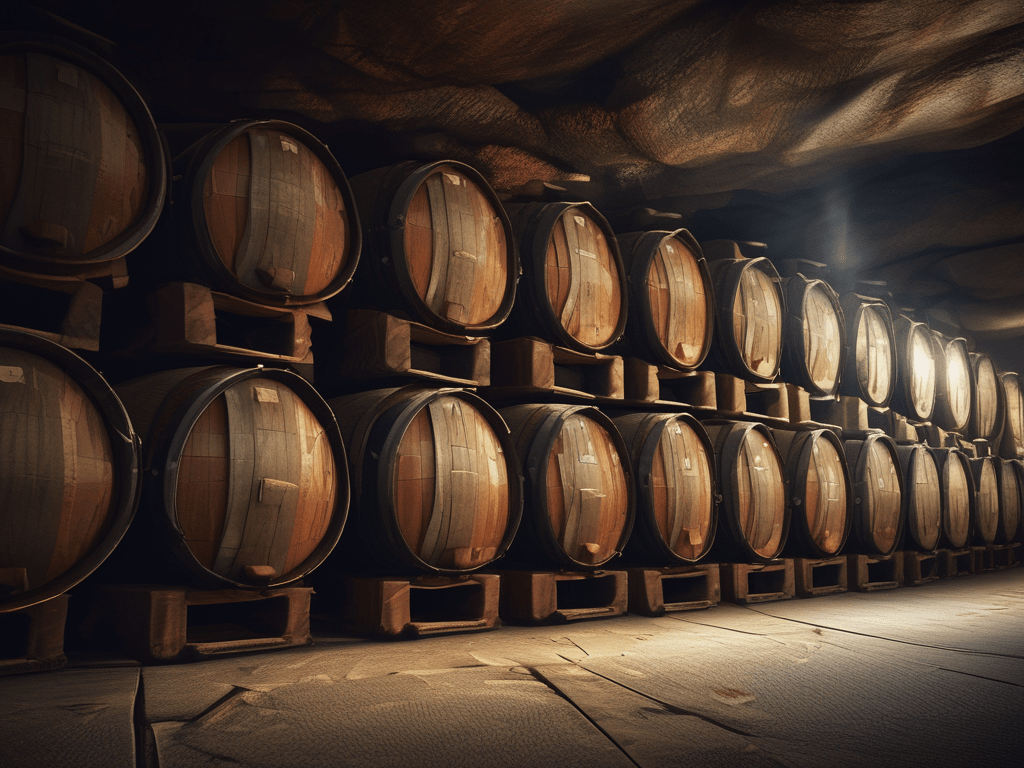
Once the rum is ready, it’s poured into these magical wooden vessels. Then, the barrels are stored in aging warehouses, where the real magic begins.
The Aging Environment: Tropical TLC
The environment plays a starring role in the aging process. Tropical climates, with their high temperatures and humidity, speed up aging. It’s like the rum is getting a year’s worth of character development in half the time. The wood expands and contracts, allowing the rum to soak up all those delicious flavors. Some distilleries embrace a bit of altitude – like Ron Zacapa – where high in the Ecuadorian hills the cooler climes allow for a slow maturing of flavours.
Barrel Interaction: The Slow Dance
As rum ages, it interacts with the wood in several fascinating ways:
- Absorption of Compounds: The rum absorbs compounds like tannins and vanillin from the wood, adding depth and complexity.
- Oxidation: Oxygen sneaks in, creating new flavors and aromas.
- Evaporation: Known as the “angel’s share,” a portion of the rum evaporates. This loss concentrates the remaining spirit, making it richer.
Blending: The Master’s Touch
After the aging process, master blenders step in. They mix rums of different ages and barrel types to create a balanced and consistent product. It’s a bit like conducting an orchestra—getting all the notes to harmonize perfectly.
Finishing: The Final Flourish
Some rums go through a finishing process, where they’re transferred to different barrels (like sherry or port casks) for a short time. This adds an extra layer of flavor, making the final product even more complex and intriguing.
Bottling: The Grand Finale
Once the rum has reached perfection, it’s filtered (sometimes), diluted to the desired proof, and bottled. The aging journey is complete, and the rum is ready for its debut.
Key Factors Influencing Rum Aging
- Barrel Type: The wood, the previous contents, and the age of the barrel all play crucial roles.
- Climate: Tropical climates speed up the aging process, resulting in richer flavors.
- Time: Longer isn’t always better—balance is key.
- Blending: The skill of the master blender in combining different rums to create a harmonious final product.
So, next time you sip on a well-aged rum, take a moment to appreciate the journey it’s been on. From the distillation to the careful selection of barrels, to the tropical aging and the masterful blending—it’s a story of transformation. Raise your glass to the art of rum aging, and enjoy every complex, delicious drop.
 The Rumosphere