
What’s the Big Diff (and Why It Matters)
Alright, let’s clear the air on a debate that’s left many sipping in confusion: rum vs. rhum. They may sound similar, but these spirits are worlds apart in both flavor and production, and if you think it’s just a spelling quirk, well, buckle up.
The English Rum Way
When you think of rum—let’s say the Jamaican or Barbados kind—you’re thinking molasses-based. Made from what’s left after refining sugar, English-style rum is all about deep, dark flavors: caramel, tropical fruits, toffee, and those warm spices that hug you from the inside. Think of it as the rich, bold cousin who shows up at every party with a loud laugh.
The French Rhum Twist
Now, rhum agricole, on the other hand, is the more refined sibling, with a slight French flair. This rum hails mostly from Martinique and is made from fresh sugarcane juice, which lends it a totally different vibe—light, grassy, floral, and dare I say, a bit more earthy. Appellation d’Origine Contrôlée (AOC) laws, meaning Martinique rhum is a strictly regulated spirit, and the result is a spirit that feels a bit more… natural. But not to worry, we’re still talking rum, so it’ll get the job done.
Flavor Showdown: Molasses vs. Sugarcane
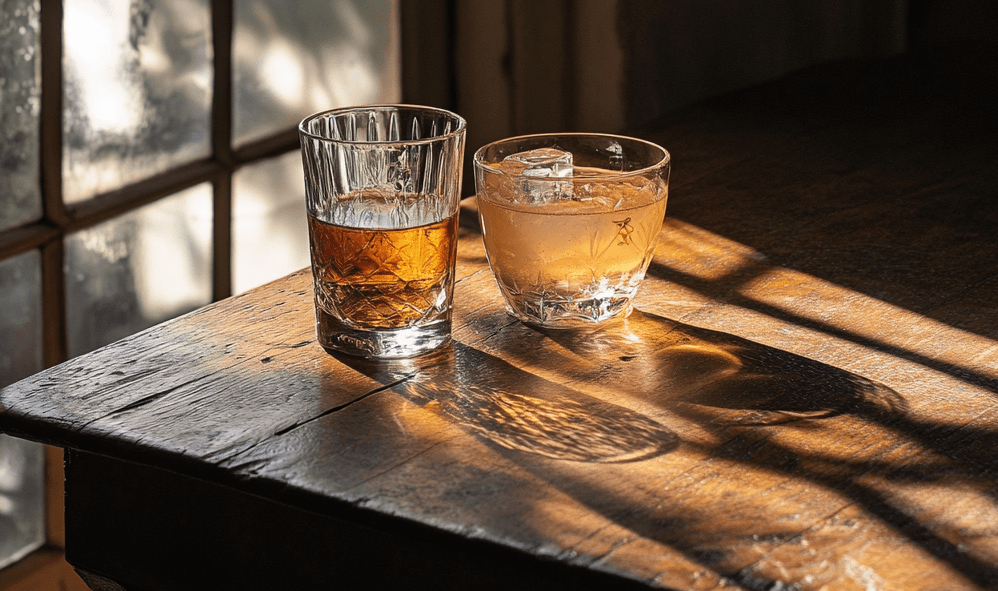
Let’s compare them side by side. English-style rum? Picture a dark, rich flavor bomb, with notes of caramelized sugar and tropical fruit. Rhum agricole? It’s like walking through a sugarcane field—fresh, floral, with hints of grass and a slightly funky earthiness that just works. One warms you up; the other takes you on a summer walk through the tropics.
What Does It Matter?
So why does this even matter? Because understanding the difference will seriously upgrade your rum game.When it comes to using rum and rhum, it’s all about matching the spirit’s unique characteristics with the right cocktail or sipping experience. Rhum Agricole, with its fresh, grassy, and earthy flavor profile, is best enjoyed in simpler cocktails that allow its complexity to shine—think Ti’ Punch or a straightforward Daiquiri where the sugarcane’s natural flavors aren’t overpowered.
For English-style rum, which is molasses-based, rich, and often spiced, it thrives in bolder drinks like a Dark ‘n Stormy or a Mai Tai where its caramel, vanilla, and tropical fruit notes can really stand out.
In short, rhum is perfect for light, refreshing drinks that showcase its delicate profile, while rum adds depth and richness to bold cocktails or is ideal for sipping on its own.
 The Rumosphere