
The Revolutionary Spirit Loved by Founding Fathers
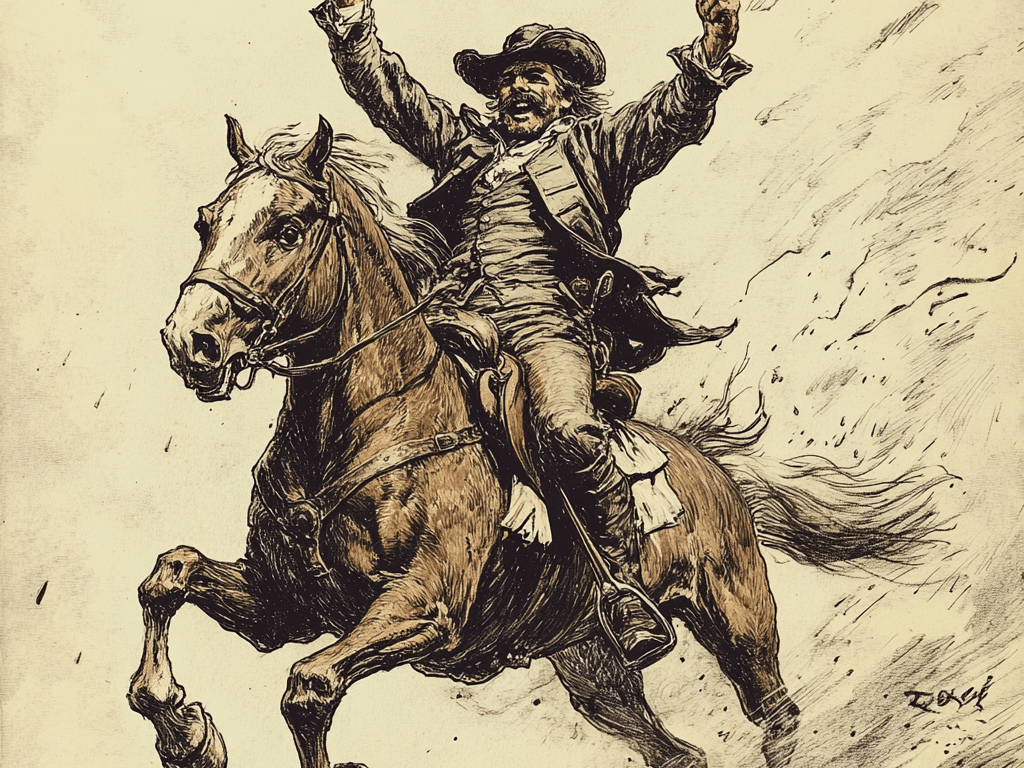
Paul Revere, the man who famously galloped through the night shouting, “The British are coming!” may have knocked back a glass of Medford rum before his legendary midnight ride, and George Washington? Yeah, he was a fan too—it was the tipple of choice for gathering at Mount Vernon and he stocked it by the barrel. This OG “spirit of independence” was good enough to fuel revolutions and presidential parties, so it’s good enough to earn its place in rum history.
During Medford’s rum-producing heyday in the 18th and early 19th centuries, there were four primary distilleries in operation. The earliest was established by John Hall in 1715, which remained a central player in the town’s rum history for nearly a century. Other notable distilleries included the Isaac Hall Distillery, the Bishop Distillery, and the Blanchard Distillery. These distilleries were all located near the Mystic River, which provided access to the essential water needed for production
The Hall Family: Medford’s First Rum Dynasts
John Hall founded the first distillery in the town, capitalizing on the Triangular Trade, which brought molasses from the Caribbean straight into New England ports. The Hall distillery became known for producing rich, full-bodied rum that quickly gained a reputation in taverns across the colonies.
Medford rum wasn’t just a drink; it was practically money and was used to barter and pay wages. Sailors loved it, tavern-goers couldn’t get enough of it. For almost a century, the Hall family kept Medford rum flowing, even dabbling in a bit of molasses smuggling to avoid British taxes. Hey, desperate times, right?
But it wasn’t just rum they had a hand in—the Hall family’s position in Medford society also meant they were real estate movers and shakers. By 1801, the Hall distillery had made such a name for itself that it attracted the attention of another rum legend: Daniel Lawrence.
Enter the Lawrence Family: Medford’s Rum Titans
In 1824, Daniel Lawrence bought the last remaining distillery from the Halls and turned Medford Rum into a true powerhouse. Under Lawrence’s guidance, Medford rum became a national name, known for its potency and bold flavor. It was so strong, people started saying, “as strong as Medford rum” to describe anything that packed a punch.
Lawrence wasn’t just about quantity; he was all about quality. Using top-tier molasses and a meticulous distillation process, he ensured Medford rum was seen as one of the finest rums in the American colonies. When Daniel passed, his son, General Samuel Lawrence, took over, continuing the family’s distilling empire. Under his leadership, Medford Rum wasn’t just enjoyed in New England taverns—it was exported far and wide, making its mark overseas.
Sadly, the golden age of Medford rum began to fizzle in the mid-1800s. A devastating fire at the Lawrence distillery in 1836 marked the beginning of the end. General Lawrence abruptly shut down the distillery in 1905, leaving everyone wondering why. Some say it was the rise of whiskey, (easier to make, thanks to local grain supplies), others blame the temperance movement, and some even speculate it was a combination of economic and personal reasons. Whatever the case, it marked the end of Medford’s golden age of rum.
The Rum Itself: Bold, Dark, and Revolutionary
Medford Rum, whether it came from the Halls or the Lawrences, was known for its bold, molasses-heavy flavor. It was a favorite ingredient in colonial rum punches, including the legendary Medford Punch—a mix of rum, lemon, sugar, and sometimes tea. This drink was the go-to for social gatherings, fueling everything from Revolutionary War strategy sessions to post-tavern brawls.
Though the distillery is long gone, Medford Rum’s reputation lives on in rum history. Modern distiller, Grand Ten Distilling have even tried to recreate it, but the original Medford rum remains a legend—one that had the power to fuel not only a revolution but perhaps a nation.

