
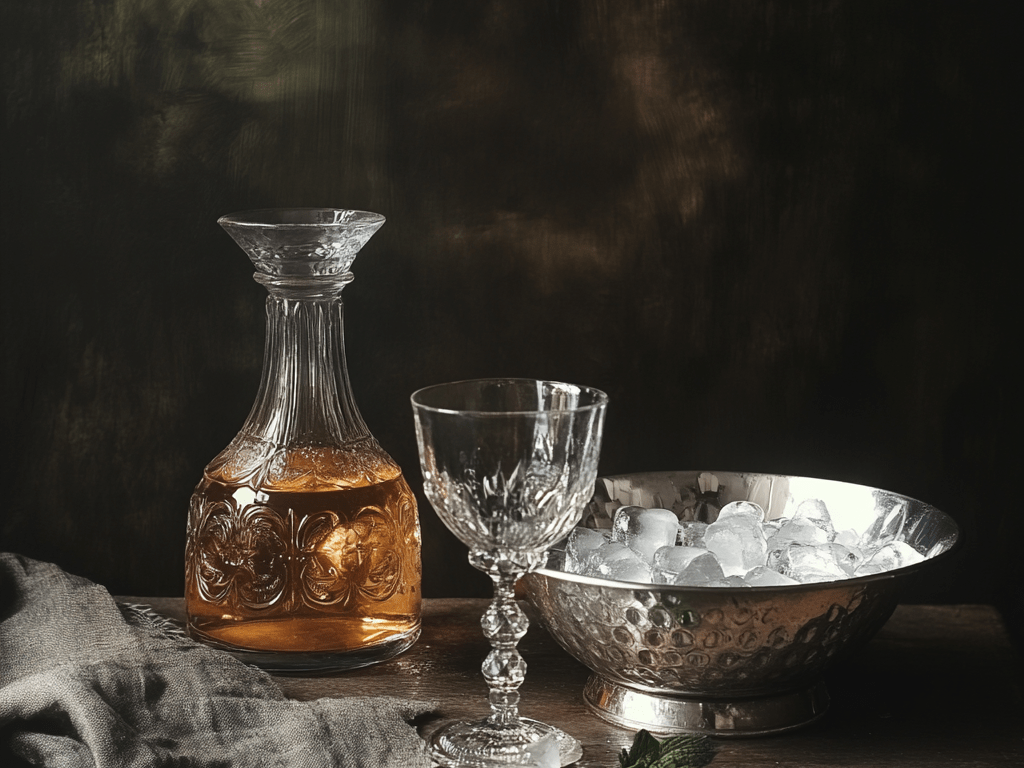
Ah, ice and water in rum—a topic that’s as polarizing as whether a Mai Tai should be served in a tiki mug or a rocks glass! The debate around diluting rum with ice or water can evoke passionate opinions among enthusiasts, but it’s all about context, preference, and the experience you’re aiming for. Let’s break it down:
The Science of Ice and Water in Rum
When you add ice or water to rum, two key things happen:
- Dilution: This reduces the alcohol content, which can soften harsher notes and bring subtler flavors to the forefront.
- Temperature Change: Lowering the temperature can suppress certain aromas but also enhance others, depending on the rum’s profile.
When and Why to Add Water
Adding a splash of water can open up the flavors and aromas of a rum, especially with higher-proof varieties (think 50% ABV and above). Water can reveal hidden layers, such as tropical fruit, vanilla, or spice, that might be masked by the heat of the alcohol.
- Best Candidates for Water: High-proof rums, cask-strength rums, or those with a particularly bold profile (e.g., Jamaican or agricole rums).
- How to Add Water: Start small—just a few drops. You can always add more, but you can’t take it out!
The Role of Ice
Ice does more than chill your drink—it also dilutes it over time. The speed of dilution depends on the ice itself:
- Big, Clear Cubes: These melt more slowly, offering a steady chill without overwhelming the rum with water too quickly.
- Crushed Ice: Perfect for cocktails but not ideal for sipping rums—it melts fast and can drown the nuances.
- Whiskey Stones: If you want the chill without dilution, these can work, but purists might side-eye you for not embracing the melting ritual.
Ice is particularly useful for rums that are heavy on sweetness or spice, as it can help balance the profile.
Rum Styles and Their Ice/Water Preferences
- Aged Rums: Often best neat, but a few drops of water or a single large cube can elevate their complexity.
- Overproof Rums: These usually beg for dilution, whether with water, ice, or in a mixer. It’s all about taming the fire.
- Agricole Rums: Sipping neat is traditional, but a splash of water can bring out grassy, vegetal notes.
- White Rums: These are rarely sipped neat and are typically best mixed. Ice is a natural companion.
In the Caribbean, rum is often enjoyed neat or with a small splash of water, reflecting its traditional roots. Ice, on the other hand, is seen as a modern addition—one that locals might reserve for tourists or for rum cocktails rather than fine sipping rums.
In colder climates, ice in rum might feel less essential, but it’s a must in tropical settings where the heat demands refreshment.
Top Tips for Experimenting
- Try a Side-by-Side Test: Pour three small glasses of the same rum—one neat, one with a splash of water, and one over ice. Taste the differences.
- Experiment with Temperature: Start neat, then add an ice cube halfway through your glass to observe the changes as it melts.
- Respect Your Rum: If you’ve splurged on an exquisite, long-aged rum, try it neat first. You can always add water or ice, but starting pure helps you appreciate the craftsmanship.
Whether to add ice or water to rum is ultimately a personal choice. There’s no right or wrong—only what enhances your experience. Purists might scoff at ice, but if a chilled sip brings you joy, fill your boots!
Have a favorite rum that you enjoy with or without dilution? Share your thoughts, and don’t forget to tag us on Instagram #rumosphere #discovertheworldofrum with your setup! 🥃
 The Rumosphere